
Underground Water Line Leak Detection in Lititz
The meter keeps turning after everyone has stopped using water, or one patch of lawn stays soggy while the rest is dry. Somewhere between the street and your foundation, a buried line may be losing water out of sight. Here is how to check, what pros listen for, and what happens next.

Checking your water meter for a leak
Before you call anyone, the meter itself can tell you whether water is leaving the property when nothing should be using it. It is the single check worth doing at home, and it needs nothing but your phone and a little patience.
- Make sure no one is running water: no taps, no showers, no appliance mid-cycle.
- Find the meter, usually in a basement, utility area or a pit near the street, and take a clear photo of the dial and the numbers.
- Wait 30 minutes without using any water at all.
- Photograph the same dial again and compare the two pictures.
If the numbers have moved, water is going somewhere. That does not yet say where. It could be the buried line, a fixture inside, or something else, and the technician sorts that out on site. If the dial has not moved, the line is probably holding steady for now, though a small or intermittent leak can slip past a single test.
What the yard and the curb are telling you
Buried water does not always surface, but it often leaves hints. Walk the route between the street and the house and look for anything that seems out of step with the weather. A strip of grass that is greener, lusher or spongier than its neighbours is the classic one, because a slow leak is effectively watering that stripe every day.
Other signs show up at the edges. Water may collect around the meter pit or the curb box. Soil can sag slightly where it has been washed out from below, and a driveway apron or walkway may settle or crack in a line that follows the pipe.
Keep people and vehicles off any ground that feels soft or looks sunken. Saturated soil can give way, and it is also a sign of where the technician should start looking.

How pros find a break they cannot see
Digging blindly is the expensive way to find a leak, and good technicians avoid it. Locating works by narrowing the search until a small, precise excavation, or none at all, is enough.
Listening
Escaping water makes a sound as it moves through the pipe wall and into the soil. Sensitive acoustic equipment placed on the meter, the valves and the ground above the line lets the pro hear where that sound is strongest.
Tracing
Before anything is opened up, the pro often traces the path of the line so the listening is done in the right place. Lines rarely run in a perfectly straight shot from curb to house, and tracing keeps the survey honest.
Pressure testing
Isolating sections of the line and watching whether they hold pressure helps confirm which stretch is failing. Combined with listening, it points to a spot rather than a general area.
Tell the dispatcher what the meter and the yard are doing, and a local pro can be sent to find the source.
Call before the leak growsWhere leaks hide on Lititz properties
Housing age shapes what goes wrong. In the older core of the borough, brick and stone homes with basements often have service lines that have been in the ground a very long time, and the point where the line enters through a stone foundation is a common place for trouble to show up as dampness or sound.
The villages of Warwick Township mix old cores with later subdivisions, so a leak in one block may behave very differently from one a few streets over. If you live in Brunnerville, where older homes sit beside newer infill, it helps to tell the dispatcher roughly when your house was built.
Further north, Brickerville and the Elizabeth Township farm country bring long runs from the road to the house. A long line has more places to fail and more ground to survey. This service applies to homes on public water; properties on private wells are outside what we connect you with.
Cold winters add to the picture. Deep frost and repeated freeze-thaw cycles move the soil around buried pipe, and a joint that held for years can start to weep after a hard season.

Is the leak on the buried line or inside the house?
A moving meter does not automatically mean the underground pipe is at fault. Water can also escape from a fixture, a fitting or a plumbing run indoors, and the meter will record it just the same. Part of the technician’s early work is telling the two apart so you are not paying to dig up a yard that is not the problem.
One clue is whether the water pressure and the meter movement change when the main shut-off inside the house is closed. If the meter stops once the house side is isolated, the loss is probably inside. If it keeps running, the buried line moves higher on the suspect list. The technician will run that comparison properly, with the right equipment.
If the cause turns out to be indoors, the technician will say so plainly, and the dispatcher can talk it through with you before a visit.
Responsibility for the line is a separate question again. It is usually divided between the homeowner and the water provider at some point between the meter, the curb stop and the house, so check with your water provider to see where yours falls.
Once the leak has a location, here are your choices
A located leak turns a vague worry into a decision with real options. The technician will explain what was found, how the line looks around the break, and whether a localized fix is realistic or whether the line itself is showing its age.
A single spot repair can be sensible when the rest of the pipe is in sound shape. When the line is old, corroded or failing in several places, the better value is often a full run of new pipe, either by open trench or with a trenchless method where the lot suits it. If the line is an older galvanized or lead-era type, replacing an old service line may be the more lasting answer.
If the weak flow came first, low pressure from the main line is worth raising during the same visit.
Whatever you choose, options and upfront pricing are explained before any work begins, and there are no hidden fees. If warranty coverage matters to you, ask the pro handling your line to spell out any terms before you approve the job.
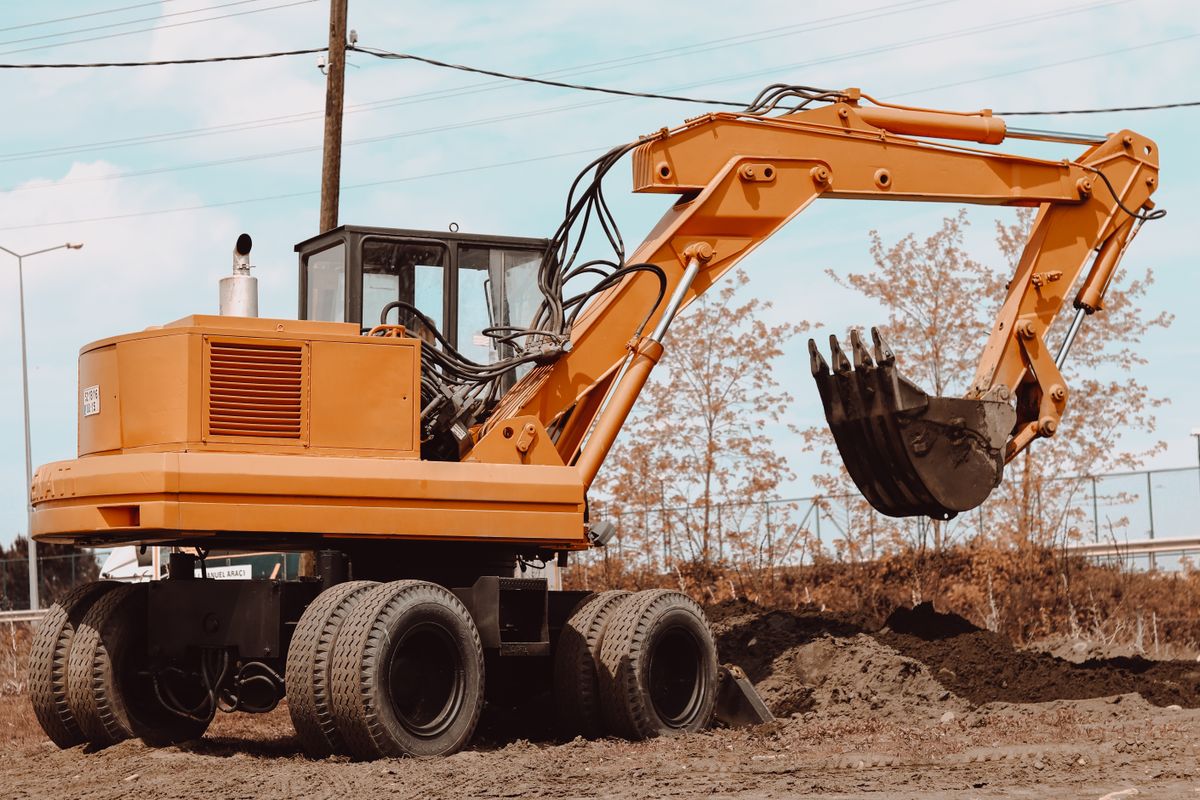
Sensible steps ahead of the visit
A few careful steps protect your home and help the technician work faster. Nothing here replaces the on-site diagnosis.
- If water is escaping and you can reach the main shut-off, often on a basement wall in older homes, close it. The technician will confirm the rest.
- Take a photo of the meter dial, wait 30 minutes with no water use, then photograph it again so you can report what moved.
- Keep children, pets and cars off any soft, sunken or waterlogged ground between the street and the house.
- Do not dig to find the pipe yourself. Other utilities may be buried nearby, and the technician will locate the line properly.
Questions people ask about hidden leaks
Short answers on what a buried leak looks like and how it gets found.
You cannot be certain without testing, but the meter gives a strong hint. Take a photo of the dial, wait 30 minutes with no water use, then photograph it again. Movement means water is leaving somewhere. The technician then isolates the house side from the buried line to see which one is responsible. That comparison is the reliable way to separate an underground leak from a dripping fitting indoors.
Yes. Water follows the easiest path, and in some soils it drains downward or along a trench without ever reaching the surface. Gravel bedding, clay layers and depth all change what you see. That is why the meter and a sudden change in the bill are often the first signs, and why professional listening equipment exists. A dry yard does not rule out a buried leak.
Usually not. Listening, tracing and pressure testing are done from the surface, the meter and existing access points, so the ground stays largely undisturbed during the search. Digging comes only once the technician has narrowed the location, and even then the opening is typically kept as small as the repair allows. The technician explains where and why before any excavation starts.
Then the technician tells you plainly and does not recommend work on the yard. Indoor causes are a normal outcome of leak detection, and learning that is still useful because it spares you an unnecessary dig. Fixing indoor plumbing is generally a separate job from the buried service line, so the dispatcher can talk through what to do next.
It can get very close, but it is not magic. Pipe depth, soil type, nearby lines and background noise all affect the reading, so the technician often confirms with a second method before marking a spot. Expect a confident area rather than a promise of an exact inch, and expect to hear honestly how sure the pro is before anyone breaks ground.
If water is visibly escaping, close the main shut-off inside the house, often where the line enters the basement wall in older homes, or in a garage or exterior wall on slab homes. If nothing is flooding, you can keep using water normally, though keeping use light helps the technician. Do not force a valve that will not turn. Tell the dispatcher and they will factor it into the visit.
It can. A small continuous loss runs around the clock, and across a full billing period it adds up to far more water than most people expect. Because the meter counts everything that passes through it, a quiet leak shows up as higher use even when your habits have not changed. Checking the dial with the 30-minute photo method is a quick way to see if something is wrong.
That combination is common with buried lines. Movement without a visible sign usually means the water is draining away below the surface or is leaking inside the house. Call and describe both photos of the dial. The technician starts by deciding whether the loss is on the house side or the buried side, then uses listening and tracing to look for the source.
A moving meter deserves a real answer
Call now and a dispatcher will ask a few questions and connect you with a local main water line pro, with calls answered 24/7.