
Old Galvanized & Lead-Era Service Lines in Lititz
The pipe where water enters your house looks old, the flow has been fading for years, and the water sometimes runs brown first thing. Many Lititz homes still have an original line from the decade they were built. This page explains how the material gets identified and what replacing the private side involves.

What the pipe at your wall can show
The easiest place to learn about your service line is the spot where it enters the house. In older homes that is usually a basement wall, often near the meter and the main shut-off. On slab homes it may be in a garage, a utility closet or an exterior wall.
You do not need to touch or test anything. Look at the pipe and take note of what you see: its colour, whether it looks thick and dull or thin and bright, whether the surface is rough, flaking or stained, and what kind of fittings connect it to the meter and the shut-off. Those details are what you describe on the phone.
Appearance alone is not enough to be sure, because paint, corrosion and insulation can disguise a pipe, and different eras overlapped. A technician can identify the material properly on site, and may also check where the line leaves the house and what it becomes underground.
Why aging galvanized pipe loses flow and clouds the water
Galvanized steel was a common choice for service lines in older housing. It was coated to resist rust, but that coating wears away with time, and the steel beneath begins to corrode from the inside. Rust and mineral buildup form a crust on the inner wall, so the opening that water passes through gets smaller and rougher.
The effects are the ones homeowners notice: pressure that has sagged slowly over many years, a trickle where a fixture used to run strong, and water that carries a rusty tint, most obviously after it has sat in the pipe overnight. That is why people so often report brown water in the morning that clears after a minute or two of running.
Corrosion also weakens the pipe wall and the threaded joints, so older galvanized lines become more likely to develop pinholes or weeping connections. A line in that condition can both restrict flow and leak, which is why the diagnosis matters before any decision about repair.

Lead-era lines, provider inventories and what to ask
Some older service lines were made of lead, and a professional can identify the material. That is all this page will say on the subject, because the right source for questions about your water itself is your water provider, not a plumbing website.
In many places, water providers keep records of the materials found in their service areas, and some run replacement programmes of their own. Whether yours does, what it covers and whether your address qualifies are all questions for the provider. Contact them directly. We cannot speak for them, and nothing here should be read as a promise of assistance of any kind.
What a local pro can do is look at the private side of your line and tell you what it is made of. That information is useful to bring to a conversation with your provider, and it helps you decide whether to replace the private side now or alongside any provider-side work.
Old lines across the borough and the village subdivisions
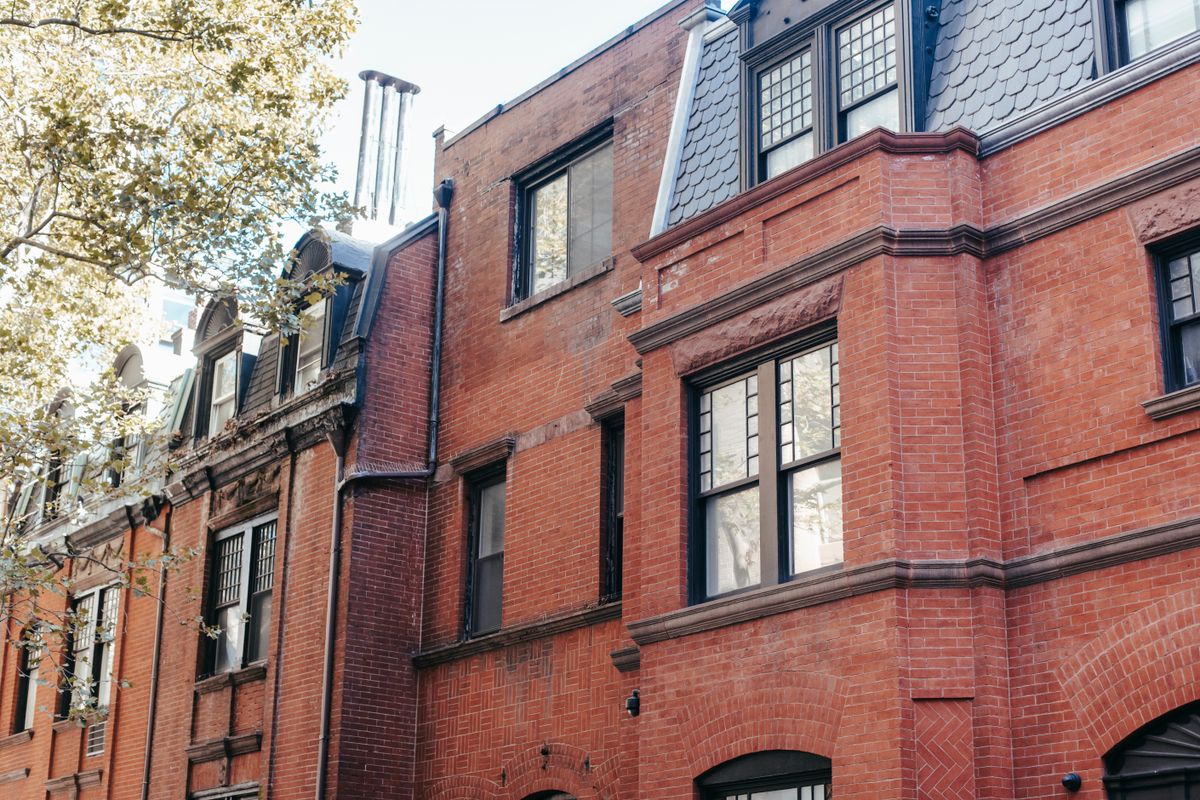
Line material tracks housing age, and Lititz spans a wide range. The historic borough has 18th and 19th century brick and stone houses, early 20th century blocks and post-war streets, and the services that reach them have been updated at different times, if at all. In the borough, a basement with a stone wall and an old pipe poking through it is a very common sight.
The township villages are a patchwork. Older village cores sit next to subdivisions built in the decades since, so two neighbours on the same street can have lines from different eras. Established neighbourhoods like Kissel Hill near Landis Valley Road are a good example: the material depends on when each section was built and whether the line has ever been replaced.
If you do not know when your house was built, the dispatcher can still help. The technician we dispatch knows how Lititz homes of different periods are typically plumbed and will confirm what is actually in the ground.
What replacing the private side of an old line involves
The private side usually runs from the meter, curb stop or property line to the house. Who owns which stretch varies, so check with your water provider before assuming where your responsibility starts and stops. The technician can show you where the private section begins on your lot.
Replacement means putting in a new run of pipe along the old route or a better one, connecting it at both ends, and testing it before the trench is closed. Depending on the property, that may be an open trench or a trenchless method, and the pro explains which suits the lot and why.
You may be wondering about replacing only part of an old line. That can be sensible when the remaining pipe is sound and the connection between old and new is dependable, but it can also leave a weak stretch behind. The technician tells you what they see and lets you weigh it.
The shut-off valves at either end matter during this work. If yours is stiff or leaking, it is smart to sort it out at the same visit, which is covered on our page about curb stops and shut-off valves.
Describe the pipe near your meter on the phone, and the dispatcher will line up a local pro to confirm what it is.
Get your old line assessedHow an old-line project is scoped before work starts
A sound plan starts with the questions the dispatcher asks you: how old the house is, what the pipe looks like at the wall, how the pressure behaves, and what sits above the buried route. Driveways, mature trees, patios and hillsides all influence the method.
On site, the technician confirms the material, checks the condition of the line where it can be seen, and talks through options. Pricing is explained upfront before any work begins, and there are no hidden fees, so you can compare choices without pressure.
If your main complaint is weak flow, the old line may be only part of the cause. A line that has narrowed with age often shows up as low pressure at the main line, and the technician rules out other possibilities before recommending work.
Once the new line is in. If warranty coverage matters to you, ask the pro handling your line to spell out any terms before you approve the job. Ask about how the ground will be left before you say yes.
Safe moves before the visit
Old pipe can fail without much warning, so a few cautious habits are worth following. The technician confirms everything on site.
- If you see water escaping near the pipe, close the main shut-off inside the house. It is often on the basement wall where the line enters.
- Photograph the meter dial, wait 30 minutes with no water use, then photograph it again so you can tell the dispatcher what changed.
- Stay clear of soft, sunken or muddy ground between the street and the house, and keep vehicles off it too.
- Do not dig around the line to see what it is. Other utilities may run close by, and the technician will identify the material.
What homeowners ask about old service lines
Plain answers about material, pressure and what the private side covers.
You can learn something, but not everything. Note the colour, thickness and condition of the pipe where it enters the house and describe it to the dispatcher. Paint, corrosion and insulation can hide the material, and different eras overlapped, so a pro confirms it on site. What you see at the wall is a short visible stretch of a much longer buried run.
An old line is not automatically a problem, and plenty of homes live with one for a long time. A pro can identify the material and judge its condition. Some older lines were made of lead, and if you have questions about your water itself, contact your water provider. The technician’s role is to tell you what the pipe is and what the options are.
That depends on the provider and where your line sits. Many providers keep inventories and some run programmes, but whether yours does, and whether your address is covered, is a question for them. The homeowner is usually responsible for the private side, though it varies, so check with your water provider and ask directly what is theirs.
Water that sits overnight in a corroding steel pipe picks up rust from the pipe wall, so the first flow carries a tint. Once that standing water clears, the colour fades. It is a common sign of an older galvanized line, though it can have other causes too, so the technician checks the pipe before drawing conclusions about what is behind it.
Often it improves when the old pipe was narrowed by corrosion, because water has a clear path again. But pressure depends on more than the line, including the provider’s supply, the valves, any regulator, and the plumbing inside the house. The technician rules those out first, then tells you honestly how much the line is likely to explain.
Sometimes. A partial replacement works when the remaining pipe is sound and the join between old and new is dependable. It can fall short if a worn stretch is left behind to fail later. The technician looks at both sections and gives an honest opinion, but the decision is yours once you have heard the options and the upfront pricing.
It depends on the house. The borough has some of the oldest housing in the area, with brick and stone homes from the 18th and 19th centuries, early 20th century blocks and post-war streets. Township villages and subdivisions were built across many later periods. A line may be original to a home or may have been replaced along the way, so the technician checks.
There is no one rule that fits every sale, and this site cannot give legal or real estate advice. If your line is old or showing symptoms, a pro can assess it so you know what you have before a buyer’s inspection raises questions. Talk to your agent about how to handle the sale, and to a pro about what the pipe needs.
Find out what is under the house
Call now and be connected with a local pro who can identify your line and explain the options, with upfront pricing before work begins.