
Lexington, PA: old village lines and long runs to newer homes
A hissing near the basement wall, a bill that jumped for no reason, or a damp line across the yard: if you live in Lexington, the cause might be the pipe between the street and your door. Start with one call. We will tell you plainly whether your home fits this service.

Which Lexington homes this service is meant for
Lexington is a northern village area of Warwick Township, within ZIP code 17543 and reaching toward Elizabeth Township, and the homes there are not all alike. Some sit on village streets and are connected to public water, with a buried service line running from a utility main out front to the house. Others sit on larger rural lots and draw from a private well.
This service is for the first group. If your home is on a private well or an on-lot septic system, the work described on this site does not apply, and we would rather say so now than waste your call. If you are not sure, the call-taker can help you work it out by asking about your meter.
Older village homes, newer infill and a lot of pipe in between
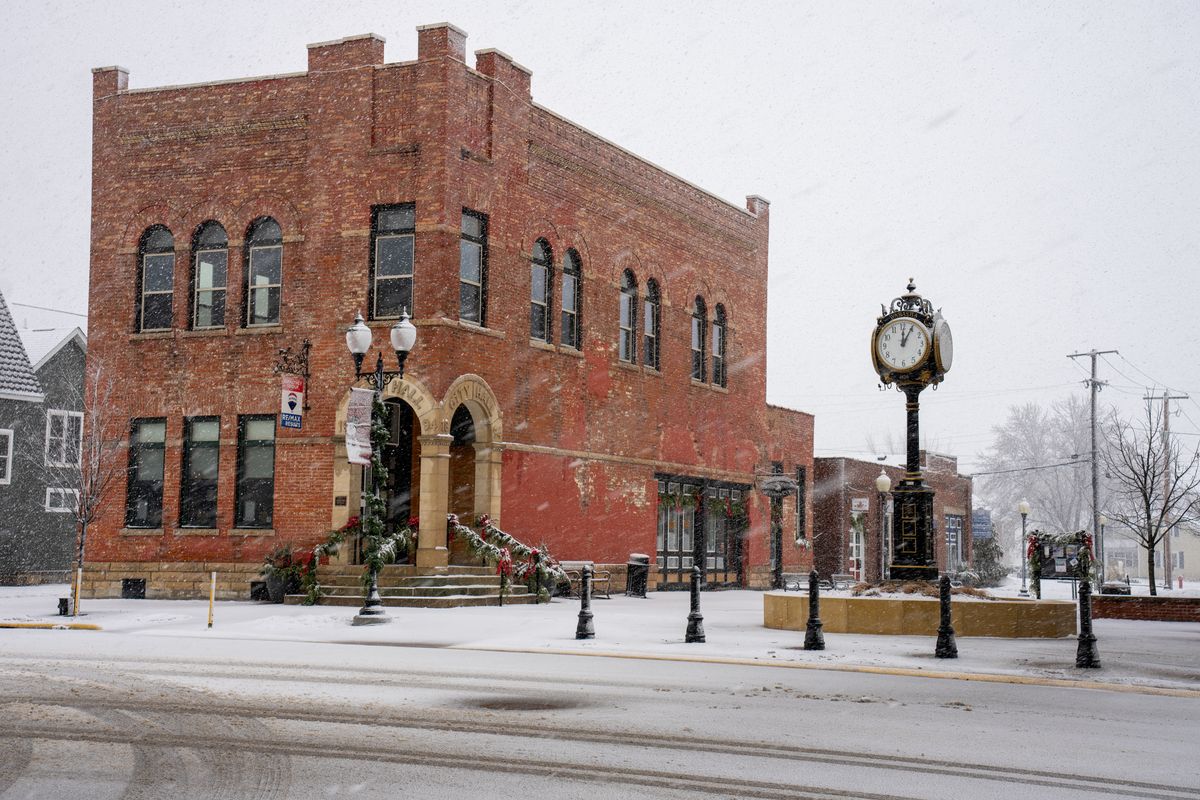
The older core has the character you would expect: frame and brick homes close to the road, shallow front yards, often a basement, and a service line that has been in the ground a long time. Here, lines of older materials are more likely, and the routes are short but cramped, hemmed in by walks, porches and the edge of the pavement.
Around the core, newer homes were added over the years on lots that vary in size. Those lines are younger and often run farther, from the street across a deeper front lawn to a house set well back. Same village, very different pipes.
Where Lexington lines tend to give out
Short, old runs in the village core corrode and leak at joints, usually near the house wall. Pressure fades first, then colour changes, then a damp spot appears.
On the longer runs serving newer or rural-edge homes, the story differs. Distance means more pipe, more joints and more ground to freeze and thaw. A line buried at a good depth is not immune to deep frost on a cold winter, and the weak spot is often a single fitting somewhere in the middle of the lawn.
If pressure is the main complaint, our page on low water pressure from the main line explains how a narrowed or corroded service line throttles flow, and when replacement is the real fix. If the line is simply worn out, the replacement day guide walks through the route from shut-off to backfill.
One call settles whether your home is on a utility main, and a technician can be dispatched from there.
Get upfront pricing on the phoneTrench, bore or burst: how the choice plays out on these lots
Tight village lots
Close to the road, space is the problem. A trench may have to cross a walkway or a stoop, and neighbours are near. Trenchless methods, with a small pit at each end, can limit disruption, though they are not always possible and the technician will say so honestly.
Longer runs
Across a deep front lawn, a trench is a long scar, and a trenchless approach starts to look attractive. Distance, soil and the existing line all influence what works. For a plain-language overview of both methods, read about trenchless water line replacement.

The technician’s opening moves at a Lexington house
The technician starts at the meter, since a dial that runs with everything off tells most of the story. Next they confirm where the line crosses the property, because on village lots the route is not always the obvious straight line from the street.
Inside, the entry point and the main shut-off get a look. Then comes a quick question that matters here: is the house on public water at all? A technician who knows the area will spot the signs of a private well or septic setup, and tell you that this work is not the right fit, rather than guess.
What happens once you pick up the phone
Calls are answered around the clock. You say what you see and whether you have public water, and you get a few questions in return. Where same-day or emergency dispatch is available, a technician is sent out. On arrival they confirm the cause, explain the plan and the upfront pricing, and only then start. If warranty coverage matters to you, ask the pro handling your line to spell out any terms before you approve the job.
Lexington sits between neighbours with their own patterns. For surrounding homes, see Warwick Township, and for the longer rural runs to the north, Brickerville and Elizabeth Township.
What Lexington callers want to know
Answers for homes on village streets and larger lots alike.
A quick way is to look for a water meter where the line enters the house, or a meter pit near the street. A home with a private well usually has a pressure tank instead, and no meter. Your monthly bills are another clue, since a water bill suggests a public connection. If you are still unsure, the call-taker can ask a few questions and tell you whether the service fits.
No. This site only covers the buried service line running from a utility main to the house. Well, pump and on-lot septic work are not part of it, and we will not send a technician for them. If you are on a well, you will need a different kind of specialist. A short call is enough to confirm which category your home falls into.
The older core generally has lines of older materials, which corrode and narrow over time, so flow drops gradually throughout the house. Newer infill homes usually have younger pipe, though they may have longer runs with more joints. It is a tendency by era, not a rule, so a technician still needs to test your line rather than assume.
Often it is an attractive option, because the access pits are small and the walkway or porch stays put. But it depends on the existing line, the soil and what is buried nearby, and sometimes a short open trench is the better answer. The technician looks at the lot first and explains why one method suits it better than the other.
It can, because more pipe and more ground are involved, but the price depends on the method and the conditions, not distance alone. The technician explains the pricing before any work begins and nothing is hidden. On a long run, ask on the call whether trenchless is an option, since it may spare a long strip of lawn.
Deep frost moves soil, and a tired line or an old joint can be strained by that movement until it cracks or separates. A leak that appears in late winter or early spring is often a result of stress built up over the cold months. It does not mean the whole line is finished, only that it deserves a proper look.
Water from a buried line may drain downward instead of surfacing, especially in loose or sloping soil, so a dry yard does not rule out a leak. Take a photo of the dial, wait thirty minutes with every tap and appliance off, and photograph it again. If the reading moved, tell the call-taker, and the technician can locate it.
Usually the homeowner looks after the line from the meter or curb stop to the house, but the exact split varies, so check with your water provider. The technician can identify which valve is which and explain where your responsibility starts. If a curb stop needs attention, that part is often coordinated with the provider.
Line trouble in Lexington? Start here
A call is all it takes to learn whether your home qualifies, and a local technician can be on the way the same day where available.