
Main Water Line Help in Lititz Borough (Historic Downtown)
A damp patch by the foundation, a meter that will not sit still, pressure that has faded over the years: in the old streets of Lititz Borough the cause is often the buried line that feeds the house. We connect you with local pros who know how these lots are built and how to reach the pipe.

Why the old town asks more of a water line
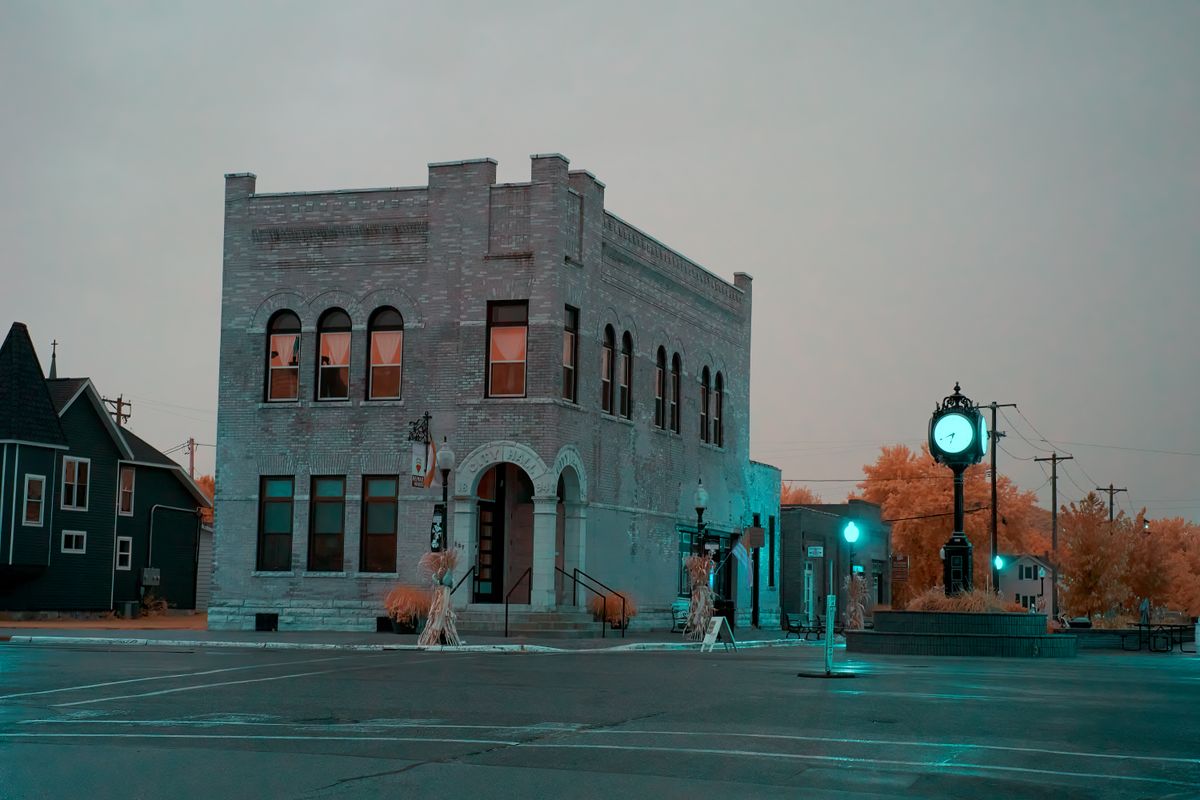
Lititz began as a Moravian settlement laid out in the 1750s, and the oldest part of the borough still follows that early pattern: narrow frontages, houses close to the sidewalk and a lot of history under the pavement. Water lines here were laid, patched and re-laid over generations, so the line feeding one house can look nothing like the line next door.
That is the real problem in the borough. It is rarely one dramatic failure. It is slow loss of pressure, rusty first-draw water, a damp basement corner, or a wet seam along the sidewalk that comes and goes. Each one points back to the same buried pipe between the street and your meter.

Stone, brick and the lots they sit on
Around Main Street and Broad Street you find 18th- and 19th-century brick and stone homes, then early-twentieth-century blocks, then post-war streets filling in behind them. Era matters. As a general tendency, the older the house, the more likely the original service line was galvanized steel, and in some cases an older line was made of lead. A pro can identify the material where the line enters the house, so you do not need to guess.
Lots are small and deep. The line often runs from the street, under a brick or concrete sidewalk, past a mature tree and through a stone foundation wall. Basements are common and the main shut-off usually sits on that wall, sometimes behind stored boxes or old shelving.
Stone walls, damp basements and corroded pipe
Where an old line passes through a stone foundation, the pipe and the wall have usually shared the same few inches for a very long time. Moisture sits there. Galvanized steel corrodes from the inside out, and the bore narrows until the tap runs thin even though nothing looks wrong on the surface.
Freeze-thaw adds its own stress. Deep winter frost moves soil around a shallow line, and a joint that has been fine for decades can finally weep. Roots from mature street trees can lean on a pipe too. Over time this shows up as three familiar signs: a meter that creeps with every tap closed, a soft strip near the walkway, or brown water that clears slowly.

What the technician checks before anything is opened
The visit starts at the meter. The technician reads the dial, runs the quiet-house check and looks at how the line enters the basement wall: its material, any past repairs, the state of the shut-off. Then a walk along the likely route, checking the curb box and the ground for sunken spots.
Then comes the decision that matters most in the old town: trench or trenchless. Brick walks and big roots can make a long open trench hard to justify, so the pro may propose small access pits and a bored line. Other lots simply need an open cut. Trenchless is not always possible and not always the cheaper route, and a good pro says so. You hear the plan, the options and the pricing on the phone and again on site, before any work begins.
Tell us what you see at the meter or the basement wall and we will point a local pro your way.
Describe the problem, we dispatchHow a Lititz Borough job unfolds
Phone at whatever hour and someone will pick up. You describe what you have noticed: where the meter is, whether the basement wall is damp, what the pressure is like at the kitchen tap. We ask a few plain questions about the age of the house and where the line seems to come in, then dispatch a local technician, same-day where available.
On arrival the pro confirms the cause and talks through the choice between repair and replacement. Before anything starts, the price is laid out for you without buried extras. The crew then isolates the line, makes the repair or replacement, restores the connection and checks pressure. If warranty coverage matters to you, ask the pro handling your line to spell out any terms before you approve the job. Ask the technician about the details, and check with your water provider on who owns which stretch of the line, since that usually varies.
Neighbouring streets we also cover
The borough sits inside ZIP 17543, and the homes around it have their own habits. For the subdivisions and village edges wrapping the town, see Warwick Township, where line age changes street by street, or the established streets near Landis Valley Road in Kissel Hill.
If your shut-off will not turn or leaks at the stem, read about curb stop and main shut-off valves. For corroded older pipe, the page on old galvanized and lead-era service lines explains how the material is identified. And if the whole line has reached its limit, the replacement day guide walks through the process.
Questions from old-town homeowners
Answers for the borough's older streets, brick sidewalks and stone cellars.
Proximity to the park does not decide anything on its own. What matters is the age of the home, the material of the line and the route it takes under the sidewalk and yard. Streets near the park mix older and later houses, so lines vary. The technician starts at the meter and the basement entry point, then reads the route from there. Tell the dispatcher your cross streets in general terms and the house era, and we will route a pro who knows the area.
Sometimes. A trenchless method uses small pits at either end, so the sidewalk may be left mostly alone, but it depends on soil, depth, other buried utilities and how the existing line runs. Ask the technician how the sidewalk will be handled before you agree to the plan.
A damp spot at the entry point can come from several things: condensation on a cold pipe, a weeping joint, or ground moisture near an old stone wall. It is not always the line. The technician checks the pipe, the shut-off and the meter reading to tell them apart. Photograph it so you can describe it clearly on the phone.
You cannot tell from the street, and a quick look is not conclusive. Some older lines were made of lead, others of galvanized steel or copper, and a pro can identify the material where the line enters the house. If you want a record of what you have, ask the technician to note it during the visit. For questions about water quality or provider records, contact your water provider directly.
Usually yes. Crews who work in older towns plan around tight frontages, parked cars and shared sidewalks. Smaller access pits, hand digging near other utilities and careful staging are common on lots like these. Clear the basement entry and move cars if you can before the visit.
A tree does not automatically rule anything out, but large roots affect the route. The technician may suggest going around the root zone, or using a bored or pulled-through line that passes below it. Cutting a major root is a decision to discuss with the pro and, if needed, an arborist. Be ready to say where the tree stands relative to the sidewalk and the front wall when you call.
Many do: a curb stop near the sidewalk, a meter in the cellar and a main shut-off inside the house. The technician identifies which is which and tells you what needs attention. Ownership of the curb stop and street-side pipe usually differs from the private side, so check with your water provider.
It can be. Water that sits in an aging steel line can pick up rust and show it first thing. If it clears within a short time, that fits an older galvanized line, though it may have other causes. Mention the pattern when you call, including how long it takes to clear. The technician checks the line material and the pressure and tells you what the findings suggest.
Old streets, straight answers
Call any hour and speak to a person about your borough home. We dispatch a local pro and explain pricing before work begins.